

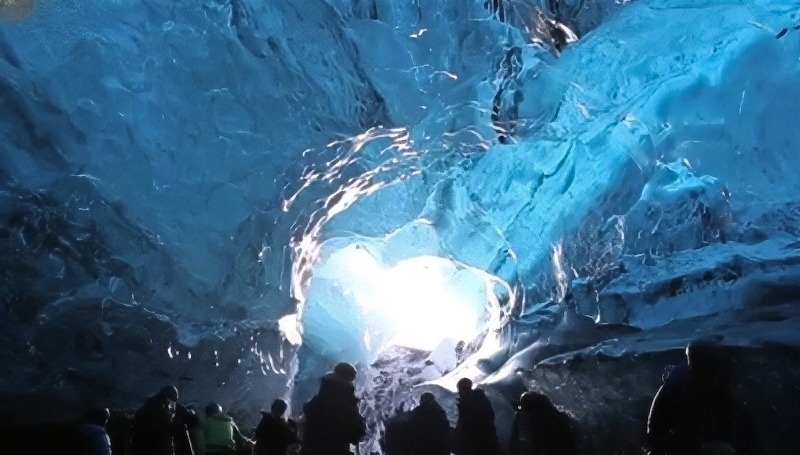
Most travelers don’t plan on ice caving in Iceland, rather putting waterfalls, volcanoes, and the Northern Lights on their bucket list. However, if you’re an adventurer, then you could consider an experience under the ice. In fact, you can literally explore a living glacier. Inside, enter a blue world of wonder with an ancient atmosphere. Read on for more details.
Where You Can Do The Caving
Natural ice caves are re-created each year, although it depends on the conditions of the season. As they recreate each year and then melt away or collapse, you don’t have a huge window of opportunity. So, most trips to see them are available for a fairly short season.
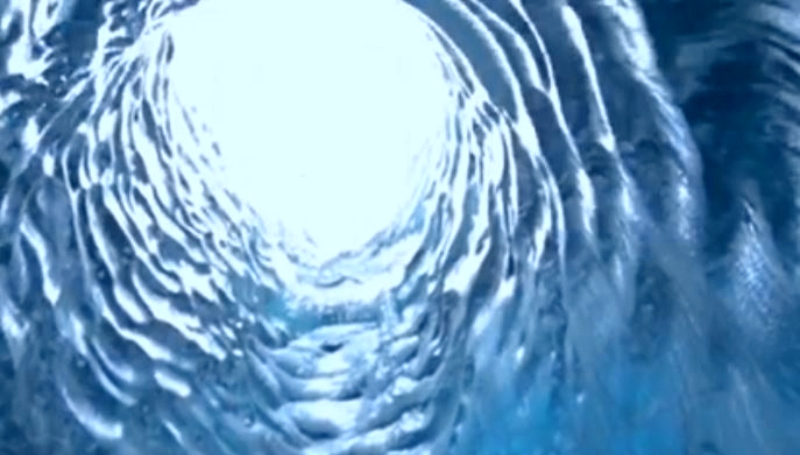
The best-known ice caves are located in the Vatnajökull National Park. The biggest glacier in Europe, excursions are generally available from locations close to the Jökulsárlón Glacier Lagoon or Skaftafell. The caves there aren’t only the most stable ones, but also offer the bluest of blue ice. Notably, the beauty seems hard to totally capture on a phone camera, but still you will easily grab some Insta pics.
Recently, guides explored ice caves in the Langjökull and Katla Glacier. Notably, going there hinges on weather and ice conditions. And naturally, apart from safety, taking care to not damage the environment also factors in. Still, it’s worth making some inquiries as to whether the trips are available or not.
When To Visit
Per Elux Magazine, “you only have a four-month window a year” to participate in ice caving in Iceland. Usually, the window opens between “mid-November and mid-March.”
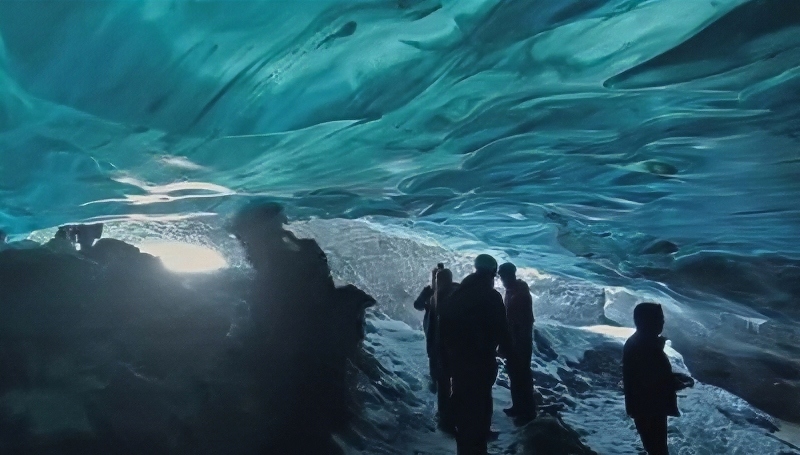
The reason for that involves temperatures and the caves are safer and more stable in the winter. In fact, the safety factor outside of that time window is carefully considered. After all, the risk of collapse is much higher during warmer periods, so no tours are allowed.
While the bluest ice caves can be found in January and February, if you prefer a less crowded experience, then you could choose either November or March for your tour.
What To Expect
Typically, an ice cave tour takes about three to five hours. You’ll be driven there in specially equipped vehicles over rugged terrain for most of the way. Once you arrive close to the ice caves, you might be expected to walk, so its not ideal for the inform or the very elderly.
It’s definitely worth the walk though, because the reflections of the sun through the ice walls of the caves bring different tones of blue, white, and transparent layers. Enjoy the extensive knowledge of experienced guides who answer questions and tell you everything you possibly need to know.
Learn about the movement of glaciers, the formation of caves, and the reasons for their changes each year. Taking pictures is allowed at several points, however, the duration inside the caves is limited to ensure safety.
What To Take & Wear
Obviously it’s cold out there. So, you need to dress for the conditions. Actually, warm, water-resistant clothing is a must-have. The temperatures in the caves are quite chilly, but remain constant. Additionally, strong hiking boots are a must, and usually, everyone who goes on a tour will be supplied with crampons and helmets.
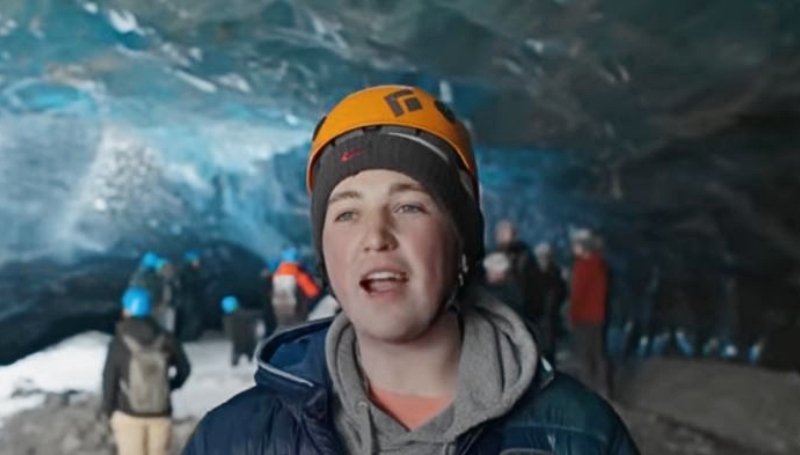
Put on gloves and a knitted cap, and don’t forget your camera with good low light performance. While mobile phone cameras are good enough for Instagram, condensation may become a problem. So, if that’s all you have, then keep the lenses dry.
Is It Safe & Worth The Trip?
While adventure travel can bring some risks, you may rest assured that the ice caving in Iceland experience is highly regulated. Only licensed guides may escort you and Icelandic operators check out the caves daily. Serious inspections note the changes to the structures, and if conditions aren’t ideal, your tour might be canceled or postponed.
Please don’t try and explore on your own, because it could be extremely risky. If in doubt, check online for reviews about your tour company.
As for whether it’s worth taking the risk, it seems safe enough under the right guidance and it certainly brings you bragging rights that few others can claim. Usually, those who enjoy the experience feel as if it rounded off their trip to Iceland perfectly.
Did you ever experience the wonder of ice caving in Iceland? Let us know in the comments below, and remember to come back here often for all your travel news and updates.



Leave a reply